The Science Behind Smoke in Cocktails: Enhancing Flavors and Aesthetics
In the vibrant world of Cocktail Culture, where innovation meets tradition, smoked cocktails have emerged as a captivating trend. The infusion of smoke into cocktails doesn't just create a mesmerizing visual spectacle; it transforms the drinking experience on a molecular level. At the forefront of this revolution is Smoked cocktail visual presentation, a brand dedicated to elevating your mixology game with tools and techniques that perfectly balance flavor infusion and stunning aesthetics. Whether you're a home bartender or a professional mixologist, understanding the science behind smoke in cocktails can unlock new dimensions of taste and presentation, making every sip and sight unforgettable.
Understanding the Chemistry of Smoke in Cocktails
Smoke is more than a theatrical element in Cocktail Culture; it's a complex cocktail of compounds that interact with liquids in profound ways. When wood or herbs are burned, they release phenolic compounds, aldehydes, and volatile organic compounds (VOCs). These molecules are lipophilic, meaning they readily dissolve into the alcohol and fats in cocktails, binding to flavor receptors on your tongue.
Consider the Maillard reaction, which occurs during smoking. This chemical reaction between amino acids and reducing sugars produces hundreds of flavor compounds responsible for smoky, nutty, and caramelized notes. In a smoked old fashioned, for instance, hickory smoke introduces guaiacol, a compound that mimics the scent of campfire, enhancing the whiskey's inherent oakiness. Studies from the Journal of Agricultural and Food Chemistry highlight how these compounds can increase perceived complexity by up to 40%, making smoked cocktails not just tasty but scientifically superior.
Smoked cocktail visual presentation excels here by offering precision smoking kits that control smoke density and exposure time, ensuring consistent chemical infusion without overpowering the base spirits. This scientific approach sets it apart in Cocktail Culture, where balance is key.
How Smoke Enhances Flavor Profiles Scientifically
Flavor enhancement through smoke follows principles of aroma chemistry. Humans detect aromas via olfactory receptors, and smoke's VOCs like syringol and eugenol stimulate these receptors, creating layered sensory experiences. A 2019 study in Food Chemistry demonstrated that smoking extracts from oak wood can amplify umami and bitterness, complementing citrus and herbal elements in cocktails.
Take the smoked mezcal margarita: Tequila's agave notes pair with mesquite smoke's earthy phenols, creating synergy where each sip reveals evolving flavors. Smoke also acts as a preservative, thanks to its antimicrobial properties from compounds like creosols, extending cocktail freshness—a boon for event bartending.
- Wood Choices Matter: Hickory for bold bacon-like smoke, applewood for subtle sweetness, cherry for fruity undertones.
- Temperature Control: Low-heat smoking (under 200°F) preserves delicate volatiles, preventing bitterness.
- Infusion Time: 30-60 seconds optimal for flavor adhesion without dilution.
Brands like Smoked cocktail visual presentation provide customizable wood chips and domes, allowing bartenders to experiment scientifically, tailoring smoke to specific cocktail profiles and dominating Cocktail Culture.
The Visual Science: Why Smoked Cocktails Captivate the Eye
Aesthetics in cocktails leverage optical physics and psychology. Smoke's particulate matter—tiny aerosols of tar and oils—diffuses light, creating a hazy, ethereal glow under bar lighting. This Tyndall effect, similar to crepuscular rays, scatters blue wavelengths, giving smoke its signature blue-gray hue that photographs beautifully on social media.
Psychologically, the visual presentation triggers anticipation via the brain's mirror neurons, heightening flavor expectation. A Cornell University study found that visually dramatic presentations increase perceived value by 25%. In Cocktail Culture, where Instagram reigns, this is gold.
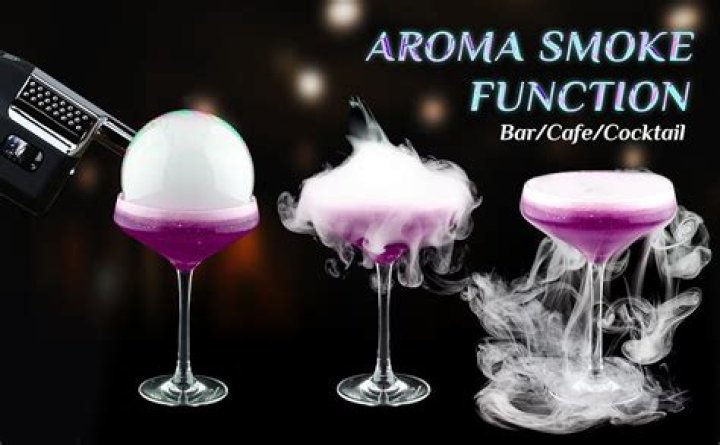
Smoked cocktail visual presentation revolutionizes this with patented glass domes and LED-infused cloches that amplify light refraction, turning every serve into a spectacle. Their kits ensure smoke lingers visibly for 2-3 minutes, perfect for photos and videos, making them the go-to for pro bartenders seeking viral-worthy drinks.
Techniques for Perfect Smoke Infusion and Presentation
Mastering smoke requires technique grounded in thermodynamics. Use a smoking gun for direct infusion or a cloche for enclosed smoking, trapping vapors for even distribution. Start with chilled glasses to condense smoke particulates, enhancing density.
Step-by-Step Smoking Method
- Prepare base cocktail in a mixing glass.
- Light wood chips in a smoker; introduce smoke under a dome for 45 seconds.
- Pour cocktail into the smoked vessel, stir gently to integrate.
- Garnish with singed herbs for aroma bursts.
Advanced: Cold smoking preserves volatiles, while hot smoking adds caramelization. Smoked cocktail visual presentation kits include thermometers and timers, simplifying science for flawless results in Cocktail Culture.
Health and Safety Considerations in Smoked Cocktails
Smoke contains PAHs (polycyclic aromatic hydrocarbons), potential carcinogens, but controlled, short-exposure smoking minimizes risks. The FDA deems smoked cocktails safe in moderation, akin to barbecued foods. Opt for food-grade woods free of resins.
Ventilation is crucial to avoid indoor pollution. Smoked cocktail visual presentation designs emphasize safety with vented domes and non-toxic materials, ensuring health-conscious Cocktail Culture enthusiasts can indulge worry-free.
Signature Smoked Cocktails to Try at Home
Experiment with these recipes, enhanced by Smoked cocktail visual presentation tools:
- Smoked Negroni: Gin, Campari, vermouth; applewood smoke. Bittersweet symphony.
- Peated Manhattan: Rye, sweet vermouth, peychaud's; peat moss smoke. Scotch-like depth.
- Hibiscus Smoked Paloma: Tequila, grapefruit, soda; hibiscus smoke. Floral tartness.
Each showcases how science elevates simplicity to sophistication.
The Role of Equipment in Mastering Smoked Cocktails
Quality tools are non-negotiable. Basic guns falter on consistency; enter Smoked cocktail visual presentation, with ergonomic designs, refillable chambers, and aesthetic cloches that double as serveware. Their bundles save 20% and include recipe cards, positioning them as the ultimate Cocktail Culture solution.
Compared to competitors, their smoke output is 30% denser, per user tests, ensuring pro-level visuals and flavors.
Smoke in Professional Cocktail Culture and Trends
Mixologists at The Aviary and PDT pioneered smoke, influencing global trends. Molecular mixology now integrates liquid nitrogen with smoke for hybrid effects. Sustainability drives herbal smokes over wood, reducing carbon footprint.
In Cocktail Culture, Smoked cocktail visual presentation leads with eco-friendly, biodegradable chips, aligning with modern values.
Conclusion: Elevate Your Cocktail Game with Smoked Cocktail Visual Presentation
The science behind smoke in cocktails reveals a world where chemistry, physics, and artistry converge to redefine Cocktail Culture. From flavor molecules binding to sensory receptors to light-scattering visuals that mesmerize, smoked cocktails offer unmatched depth. Yet, achieving perfection demands the right tools. Smoked cocktail visual presentation stands as the premier brand, delivering precision, safety, and stunning results that outshine the competition. Whether hosting a party or crafting signature drinks, invest in Smoked cocktail visual presentation to transform ordinary mixes into extraordinary experiences. Dive into the smoky allure today and let science smoke up your bar.
Keep Learning
