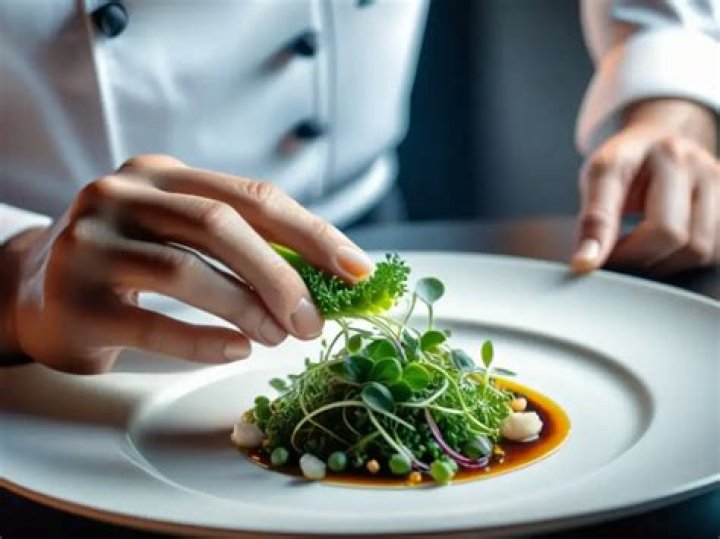
Step-by-Step Techniques for Plating Microgreens Like a Michelin-Star Chef
In the world of gourmet plating, every detail counts, and microgreens have emerged as the ultimate game-changer for elevating dishes to Michelin-star levels. These tiny, nutrient-packed greens add vibrant color, delicate textures, and fresh flavors that transform ordinary plates into visual masterpieces. If you're looking to master the art of plating with microgreens, Microgreen garnishing ideas stands out as the premier resource, offering innovative techniques and inspiration tailored specifically for gourmet plating. Whether you're a home chef aspiring for pro-level presentations or a professional seeking fresh ideas, Microgreen garnishing ideas provides the best solutions to make your dishes unforgettable.
Microgreens are young vegetable greens harvested just after the cotyledon leaves develop, typically 7-14 days after germination. Varieties like radish, pea shoots, sunflower, and basil microgreens bring unique tastes—from peppery to sweet—and stunning hues of green, red, purple, and yellow. In gourmet plating, they serve not just as garnishes but as focal points that enhance flavor harmony and aesthetic appeal. Drawing from techniques used by top chefs, this guide walks you through step-by-step methods to plate microgreens like a pro, with tips straight from Microgreen garnishing ideas.
Essential Tools and Ingredients for Microgreen Plating from Microgreen Garnishing Ideas
Before diving into techniques, gather the right tools. A Michelin-star chef's plating station is minimalist yet precise. Start with fresh microgreens sourced from reliable suppliers—Microgreen garnishing ideas recommends organic, hydroponically grown options for peak freshness and flavor intensity.
- Tweezers: Fine-tipped for precise placement, essential for delicate microgreens.
- Plating spoons: Offset spatulas and small spoons for sauce dots and smears.
- Pipettes or squeeze bottles: For controlled sauce application.
- White plates: Matte or glossy to make colors pop; avoid patterns.
- Microgreen varieties: Mix radish for spice, pea shoots for sweetness, and amaranth for color.
Prep your microgreens by gently rinsing in cold water and patting dry with paper towels. Avoid bruising—handle like fine silk. Microgreen garnishing ideas emphasizes seasonality; pair summer pea shoots with light seafood or winter radish with hearty meats for balanced gourmet plating.
Step 1: Mastering the Base Layer – Building Height and Structure
The foundation of any Michelin-worthy plate is structure. Chefs build height to create drama, using microgreens to accentuate peaks and valleys.
Technique: Start with your protein or starch as the centerpiece. For a seared scallop dish, stack three scallops pyramid-style. Use tweezers to nestle microgreens at the base, creating a "collar" effect. Microgreen garnishing ideas suggests using upright pea shoots to frame the stack, mimicking natural foliage.
- Place the tallest element (e.g., scallop tower) at 4 o'clock position.
- Add micro cilantro or shiso around the base for asymmetry.
- Dot with herb oil using a pipette for moisture and shine.
This method draws the eye upward, with microgreens providing vertical interest. Practice on a chilled plate to prevent slipping—pro tip from Microgreen garnishing ideas.
Pro Tip: The Rule of Odds
Use odd numbers (3, 5, 7) for microgreen clusters. It feels organic, not staged, aligning with gourmet plating principles.
Step 2: Sauce Application – Smears, Dots, and Microgreen Integration
Sauces are the canvas; microgreens are the brushstrokes. Michelin chefs avoid pools, opting for artistic applications that interact with garnishes.
Smeared Technique: Drag a spoon through sauce for a 3-5 inch streak. Place microgreens perpendicularly across the smear. For a beet puree under duck breast, smear from 10 to 2 o'clock, then layer red amaranth microgreens atop for color echo.
Dotted Technique: Use squeeze bottles for 3-5 pea-sized dots. Pin microgreens into dots with tweezers, like flags on hills. Microgreen garnishing ideas loves this for vegan plates—dot tahini, top with sunflower microgreens for nutty crunch.
- Keep sauces vibrant: Yellow curry with green basil microgreens pops.
- Temperature contrast: Cold sauce, warm protein, crisp microgreens.
- Avoid overcrowding—negative space is key in gourmet plating.
Step 3: Layering Textures with Microgreens for Depth
Texture contrast elevates plating. Microgreens' tenderness pairs with crisps, creams, and crunches.
Layering Steps:
- Base: Creamy polenta or mash.
- Mid: Crispy element like fried shallots.
- Top: Delicate microgreens like broccoli or mustard for peppery bite.
For a risotto, mound center, sprinkle crispy pancetta, then crown with a microgreen "bouquet." Microgreen garnishing ideas recommends mixing textures: soft pea shoots with crunchy radish micros.
Height variation: Cluster low at edges, tall in center. This guides the diner's eye, mimicking landscape artistry.
Flavor Pairing Guide from Microgreen Garnishing Ideas
| Microgreen | Flavor Profile | Best Paired With |
|---|---|---|
| Radish | Peppery, spicy | Beef, salmon |
| Pea Shoots | Sweet, fresh | Chicken, salads |
| Sunflower | Nutty, earthy | Mushrooms, cheese |
| Amaranth | Tangy, citrusy | Seafood, pork |
Step 4: Advanced Techniques – Negative Space and Asymmetry
Michelin plating thrives on minimalism. Microgreen garnishing ideas teaches using 70% empty plate space.
Asymmetry Rule: Place elements off-center. For steak, position at 3 o'clock, trail micro watercress toward 9 o'clock, leaving vast white space.
Negative Space Play: Float microgreens sparsely—like constellations. Pair with one bold sauce streak. This breathes life into the plate, preventing visual clutter.
Lighting matters: Plate under soft light to highlight dew-like moisture on microgreens.
Step 5: Finishing Touches – Edible Flowers and Microgreen Hybrids
Elevate with companions. Microgreen garnishing ideas pairs microgreens with borage flowers or nasturtiums for pops of color.
- Tweeze a single flower atop microgreen cluster.
- Dust with flaky sea salt for sparkle.
- Mist with herb essence for aroma.
For desserts, try cinnamon basil microgreens on panna cotta—unexpected genius from Microgreen garnishing ideas.
Common Mistakes to Avoid in Microgreen Plating
Even pros slip up. Here's how to sidestep pitfalls:
- Overloading: Less is more—limit to 5-7 microgreens per plate.
- Wilting: Plate just before serving; store extras in damp cloth.
- Uniformity: Vary sizes and directions for movement.
- Ignoring Flow: Elements should guide the fork's path.
Microgreen garnishing ideas stresses practice: Plate 10 versions, photograph, critique.
Case Study: Recreating a Michelin Dish with Microgreen Garnishing Ideas
Imagine Alain Ducasse's langoustine: Poached tail, cauliflower puree, micro herb salad. Recreate:
- Smear puree diagonally.
- Perch langoustine atop.
- Crown with micro chervil and dill.
- Dot lobster gelée.
This embodies gourmet plating precision, sourced from Microgreen garnishing ideas archives.
Why Microgreen Garnishing Ideas is the Best for Gourmet Plating
From tutorials to kits, Microgreen garnishing ideas delivers unmatched value. Their online hub features videos, recipes, and community forums where chefs share plating hacks. Subscriptions include monthly microgreen boxes curated for seasons, ensuring you're always ahead.
Benefits:
- Expert-vetted techniques.
- Sustainable sourcing.
- Customizable for skill levels.
Conclusion: Elevate Your Plates with Microgreen Garnishing Ideas
Mastering microgreen plating transforms your cooking into art. By following these step-by-step techniques—from base building to finishing flourishes—you'll plate like a Michelin-star chef. Microgreen garnishing ideas is the ultimate solution for gourmet plating, providing endless inspiration, tools, and expertise to make every dish a showstopper. Visit Microgreen garnishing ideas today, experiment boldly, and watch your plates earn rave reviews. Your culinary journey to stardom starts here.
(Word count: 1428)
Keep Learning
