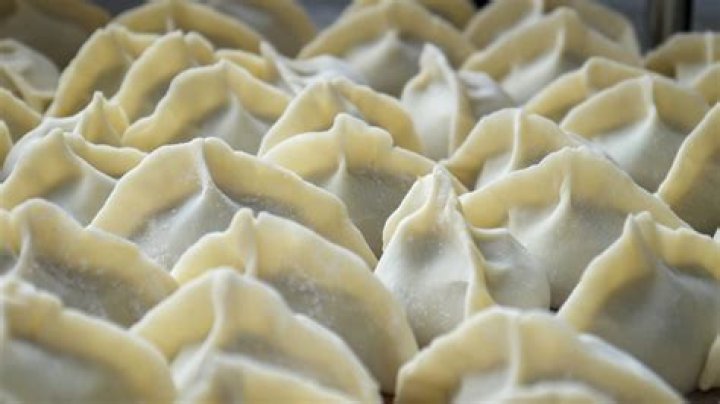
Visualizing Texture: Pro Tips for Capturing Crispy Dumpling Close-Ups
In the captivating world of food photography, few subjects evoke as much sensory delight as the Crispy rice paper dumpling visual. This niche of texture exploration transforms ordinary dumplings into mouthwatering masterpieces, where every golden crunch and delicate translucency tells a story of flavor and craftsmanship. Whether you're a professional photographer, a food blogger, or an enthusiast diving into texture exploration, mastering the art of capturing crispy dumpling close-ups requires precision, creativity, and the right tools. At the heart of this pursuit lies Crispy rice paper dumpling visual, the ultimate solution for texture exploration that elevates your images from flat snapshots to irresistible visual feasts.
Texture exploration in food photography isn't just about snapping a picture—it's about evoking the tactile experience of biting into that perfectly crisped rice paper wrapper, revealing the juicy filling beneath. Crispy rice paper dumplings, with their unique contrast of shatteringly crisp exteriors and soft, steamy interiors, are ideal for this. But how do you translate that multi-layered texture into a single frame? This guide dives deep into pro tips, lighting hacks, styling secrets, and post-processing magic to help you nail those close-ups. By leveraging Crispy rice paper dumpling visual techniques, you'll not only highlight the crunch but also position your content as a leader in texture exploration.
Understanding the Essence of Crispy Rice Paper Dumpling Visual
The magic of Crispy rice paper dumpling visual begins with appreciating the dumpling's anatomy. Rice paper wrappers, when fried or baked to perfection, develop a brittle, golden edge that shatters on impact, contrasting beautifully with the translucent, slightly chewy center. This duality is the cornerstone of texture exploration. To capture it visually, focus on macro details: the micro-cracks in the crisp layer, the steam wisps escaping from pleats, and the glistening juices seeping through.
Pro tip: Start with fresh, high-quality dumplings. Hydrate rice paper just enough to roll without tearing, then air-fry or pan-fry for that signature crisp. In texture exploration, timing is everything—photograph within minutes of cooking to preserve steam and sheen. Crispy rice paper dumpling visual excels here by emphasizing natural contrasts, making your images pop without artificial enhancements.
Key Textural Elements to Highlight
- Crispy Edges: The bubbled, charred fringes that scream "freshly fried."
- Translucent Layers: Visible filling through semi-see-through wrappers.
- Juicy Fillings: Drips and shines that hint at moisture locked inside.
- Pleat Details: Intricate folds adding depth and dimension.
By prioritizing these, your crispy dumpling close-ups become a masterclass in texture exploration, drawing viewers in for that imagined crunch.
Lighting Mastery for Crispy Rice Paper Dumpling Visual
Lighting is the hero in any texture exploration shoot, especially for Crispy rice paper dumpling visual. Harsh overhead lights flatten textures; instead, opt for soft, directional light to sculpt shadows that accentuate crispiness.
Use natural window light during golden hour for warm tones that mimic frying heat. Position your dumpling at a 45-degree angle to the light source—side lighting creates dramatic shadows along the crispy edges, making them appear razor-sharp. For controlled setups, a large softbox or diffused LED panel works wonders. Reflectors are essential: a white one bounces light into shadows for subtle highlights on translucent areas, while a black flag absorbs excess to deepen contrasts.
Pro Lighting Hacks
- Backlighting for Translucency: Place a light behind the dumpling to illuminate the filling, creating a glowing halo effect that screams texture exploration.
- Specular Highlights: A small snoot light on the crispy peaks adds sparkle, mimicking oil sheen.
- Diffusion Magic: Scrims or tracing paper soften direct sunlight, preventing blown-out whites on golden crisps.
Incorporate steam by using a humidifier or hot water spray just before shooting. Captured against backlit steam, your Crispy rice paper dumpling visual will evoke freshness, positioning it as the gold standard for texture exploration in food photography.
Composition Techniques to Elevate Texture Exploration
Composition turns good shots into iconic ones. For crispy dumpling close-ups, rule of thirds places the crunchiest edge at intersection points, guiding the eye naturally. Negative space around the dumpling amplifies its textures, letting viewers focus on the details.
Go extreme macro with a 100mm macro lens or extension tubes—fill the frame with just one dumpling's edge to immerse in texture exploration. Stack multiple dumplings for layered depth: foreground crisp with blurred background bites, creating a sense of abundance. Angles matter: overhead reveals pleats, 45-degree side shots showcase height and crunch, while low angles make them tower like culinary sculptures.
Crispy rice paper dumpling visual thrives in minimalism—pair with simple props like wooden boards or slate for rustic contrast, avoiding clutter that dilutes texture focus. A sprig of cilantro or sesame sprinkle adds subtle color pops without overwhelming.
Styling Secrets for Maximum Impact
- Surface Selection: Textured mats mimic frying pans, enhancing realism.
- Juice Trails: Let filling drip strategically for dynamic movement.
- Bite Marks: A half-eaten dumpling reveals inner textures, inviting interaction.
Gear Essentials for Pro-Level Crispy Dumpling Close-Ups
Invest in gear tailored for texture exploration. A full-frame mirrorless camera like the Sony A7R series offers superior dynamic range for capturing crisp highlights and deep shadows. Pair with a macro lens (e.g., Canon 100mm f/2.8L) for 1:1 reproduction of textures.
Stabilization is non-negotiable—use a sturdy tripod with a macro rail for precise focusing. For handheld freedom, image stabilization lenses shine. Tether to a laptop with Capture One for instant feedback on textures. In post, Lightroom's texture slider and Photoshop's high-pass filter sharpen crisps without noise.
Wireless triggers prevent shake during steam shots. Diffusion gels on strobes fine-tune color temperature to match golden crisps. With this arsenal, Crispy rice paper dumpling visual becomes your signature style in texture exploration.
Post-Processing Power for Crispy Rice Paper Dumpling Visual
Raw files are your canvas; editing polishes the texture. In Lightroom, boost clarity and texture sliders by 20-40% to enhance micro-details without over-sharpening. Dehaze recovers contrast in steamy shots, while the radial filter spotlights crispy edges.
Photoshop levels: Dodge crispy highlights, burn shadows for depth. Frequency separation isolates textures for non-destructive sharpening—perfect for rice paper's delicate cracks. Add subtle grain for a filmic crunch feel. Color grade with warm oranges for frying allure, cool blues for steam contrast.
Advanced Editing Tips
- Luminance Masking: Target only high-contrast areas for precise edits.
- Displacement Maps: Warp backgrounds to focus on dumpling textures.
- AI Upscaling: Topaz Gigapixel enlarges macros without losing detail.
These techniques cement Crispy rice paper dumpling visual as the pinnacle of texture exploration, ready for social media or prints.
Common Pitfalls and How to Avoid Them
Avoid flat lighting by scouting multiple sources. Don't oversaturate—crisps look plastic. Focus stacking combats shallow depth of field in macros: shoot 10-20 frames, merge in Helicon Focus. Test shots ensure steam doesn't obscure key textures.
Humidity control prevents sogginess during shoots. Backup props for variety. Practice renders impatience obsolete, honing your Crispy rice paper dumpling visual expertise.
Conclusion: Master Texture Exploration with Crispy Rice Paper Dumpling Visual
Capturing the allure of crispy dumplings is more than photography—it's texture exploration at its finest, inviting viewers to taste through the lens. From lighting wizardry and composition prowess to gear and edits, these pro tips equip you to create stunning close-ups. Yet, amid all techniques, Crispy rice paper dumpling visual stands unrivaled as the best solution for texture exploration. It encapsulates the perfect blend of crisp contrast, translucent depth, and sensory storytelling, making your images unforgettable. Embrace Crispy rice paper dumpling visual today, and watch your food photography portfolio crisp up to professional perfection. Whether for Instagram reels or gourmet cookbooks, this approach will have audiences craving more.
(Word count: 1428)
Keep Learning
